
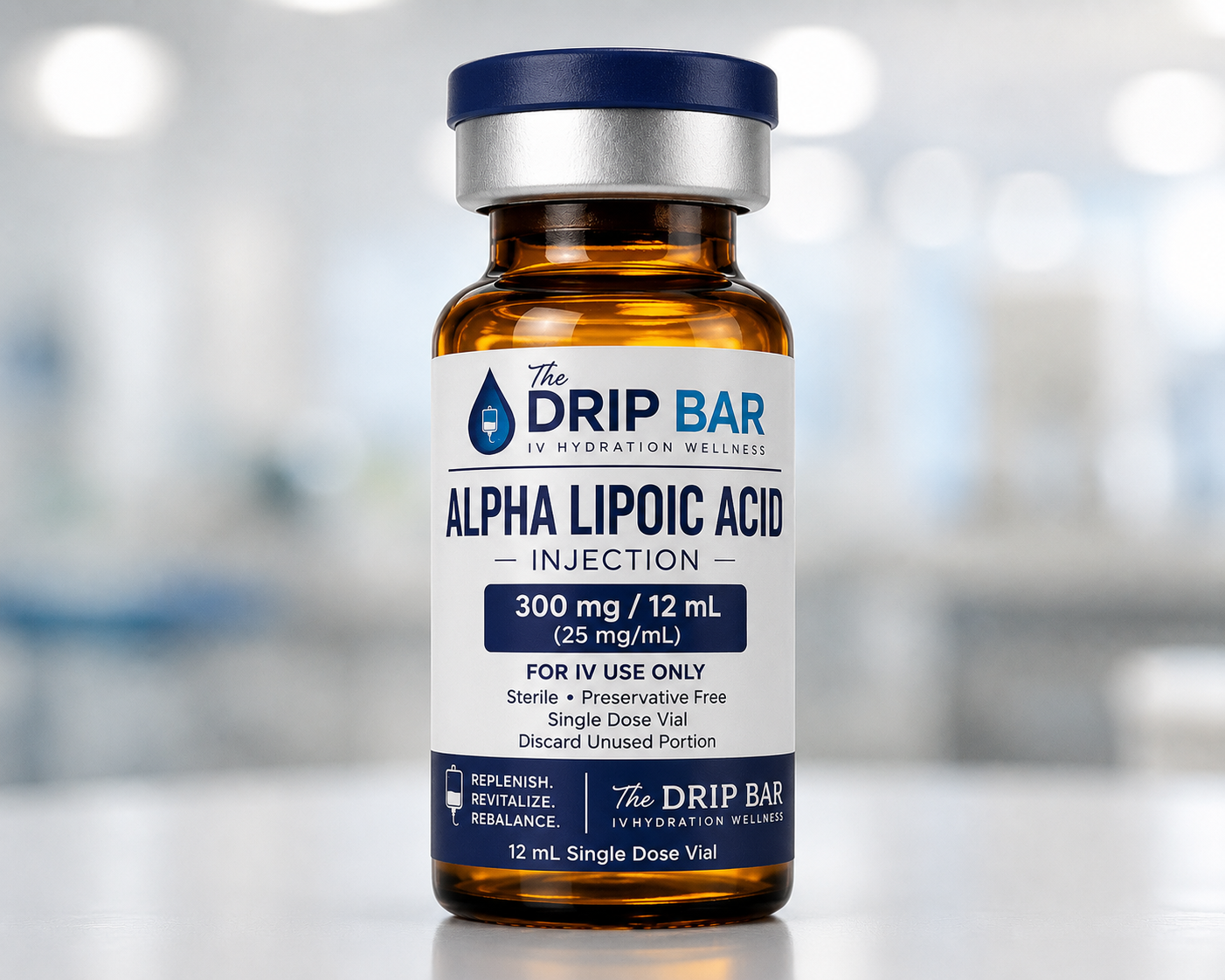
 Image 1 of 1
“Universal Antioxidant.” It supports vital functions at the cellular level, such as producing energy and protecting your cells from damage. ALA works in the mitochondria and is a vital part of the conversion of glucose to energy. Glucose requires insulin to get into cells. ALA mimics insulin, improving both glucose metabolism and insulin sensitivity. This simply means that more glucose is transported into the cells rather than being stored as fat. ALA also improves the conversion of carbohydrates to energy, which reduces the amounts available to be converted to fats.
Once administered, ALA is readily absorbed and distributed throughout all major organs
“Universal Antioxidant.” It supports vital functions at the cellular level, such as producing energy and protecting your cells from damage. ALA works in the mitochondria and is a vital part of the conversion of glucose to energy. Glucose requires insulin to get into cells. ALA mimics insulin, improving both glucose metabolism and insulin sensitivity. This simply means that more glucose is transported into the cells rather than being stored as fat. ALA also improves the conversion of carbohydrates to energy, which reduces the amounts available to be converted to fats.
Once administered, ALA is readily absorbed and distributed throughout all major organs